LEARNING TO KITESURF
You were probably inspired by some kitesurfers that you've seen in the water or on a clip but how do you get to achieve that level?
Well, you have to go through a series of theoretical and practical steps. We'll give you an idea of what to expect here.
A whole range of skills...
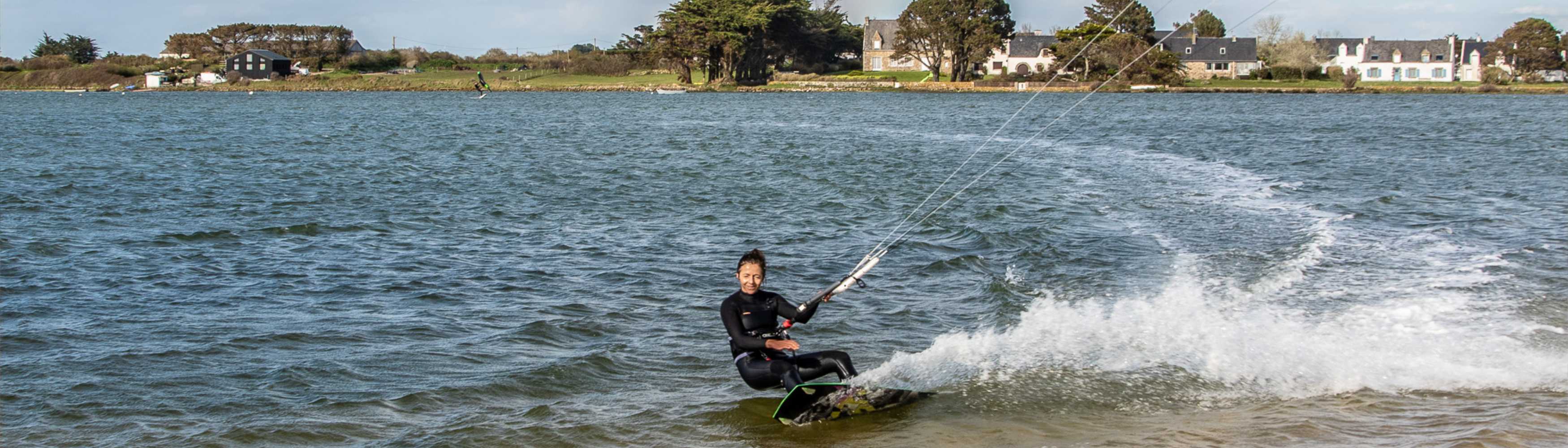
...that will enable you to kite safely and improve, which will then reduce the chance of experiencing any potentially stressful situations. You'll then be able to fully enjoy kitesurfing, alone or with a group of friends, freeriding in heavier waves, cruising in a glassey lagoon or going for your first airs!
From Beach to Board - In Around 3 Lessons
Managing the Kite
From theory to practice
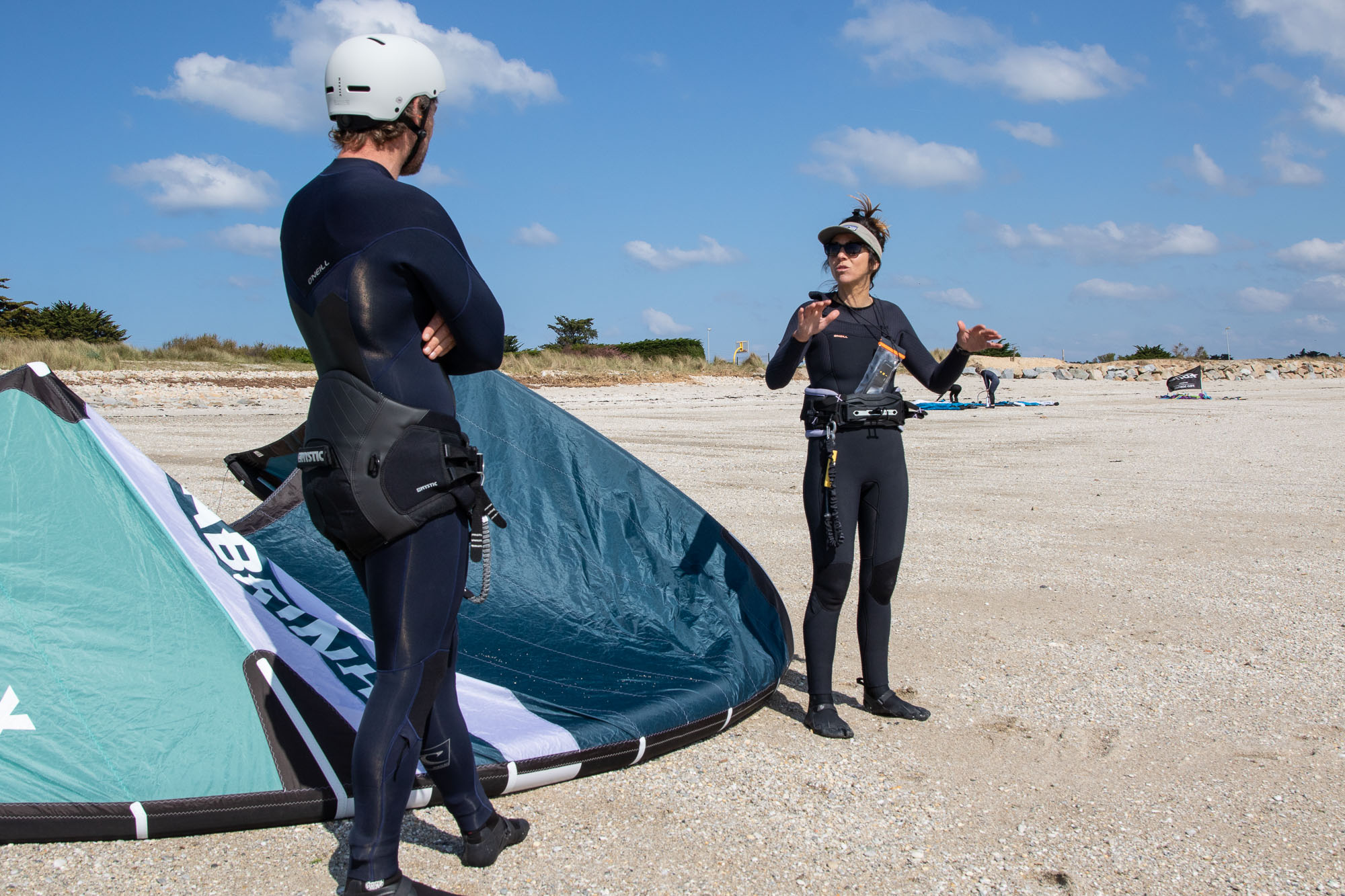
- Understanding how to choose a spot: wind direction, the importance of the tide, spotting potential dangers, etc...
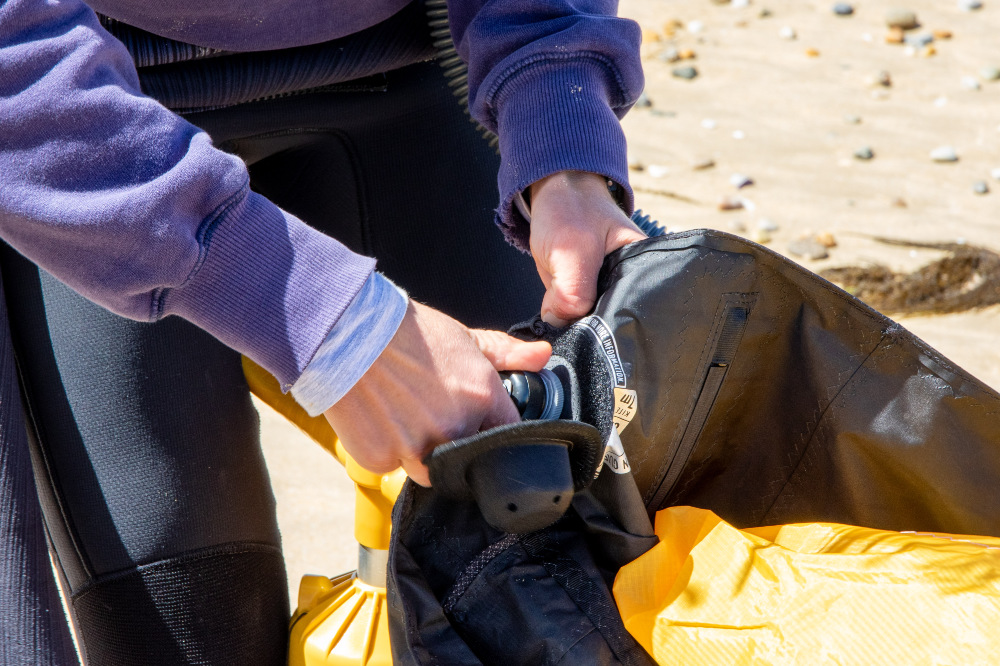
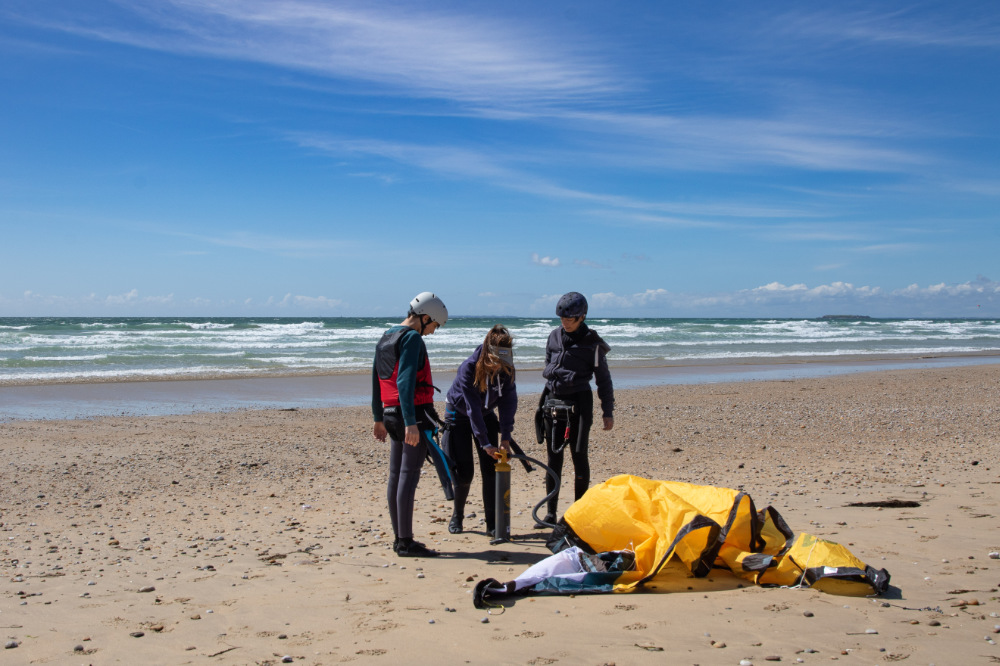
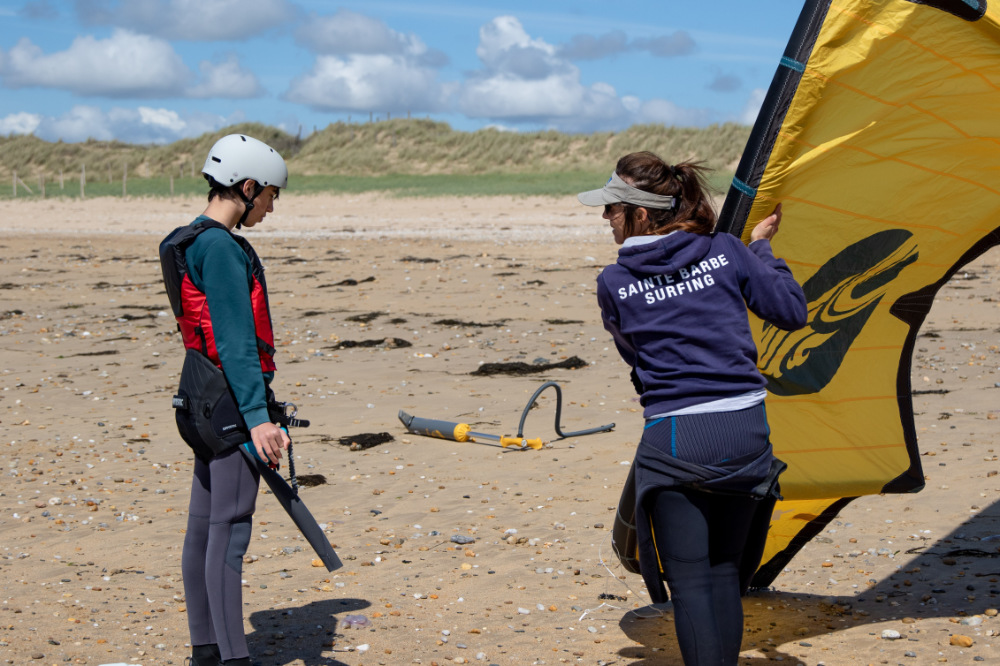
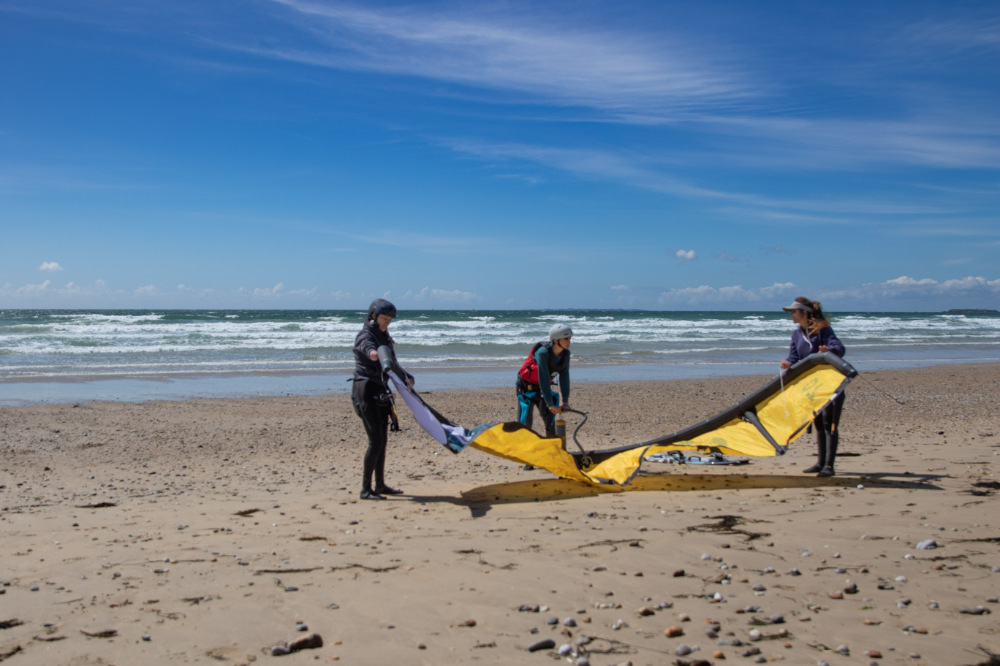
- Learning how to set up your equipment and prepare yourself correctly for safe usage.
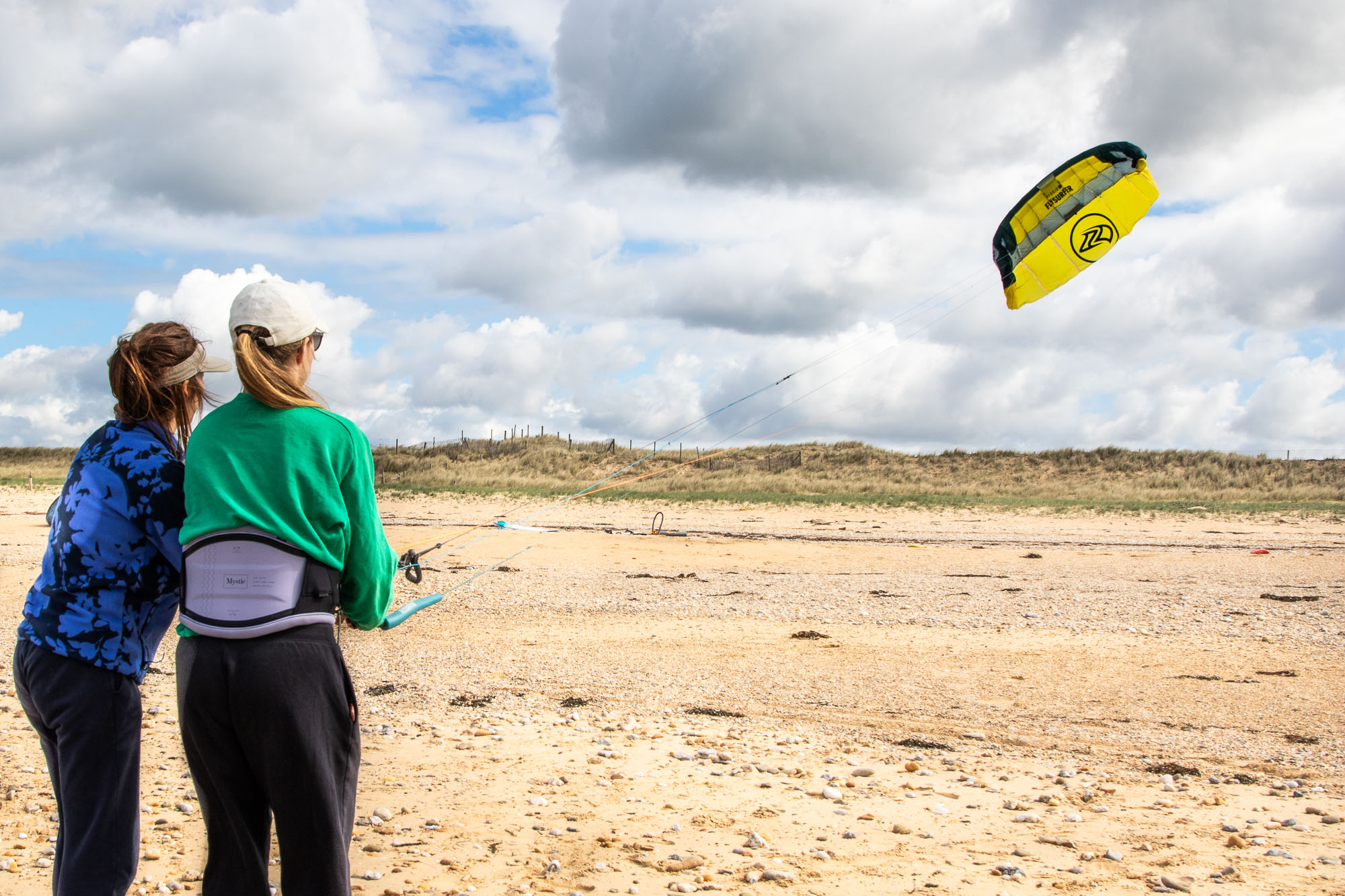
- Understanding how the kite works.
- Mastering your piloting to feel safe in all situations.
- Master assisted take-offs and landings and be autonomous on relaunches.
- Generate controlled traction with the kite, know how to increase or decrease the speed and direct it to move in one direction or the other.
- The aim is to achieve a level of piloting and control of the kite that will enable you to feel confident enough to move on to the board stage, and then to be able to achieve your objective of making your first runs with ease.
Mastering the Board
Once a sufficiently comfortable level has been reached with the kite, we'll combine it with the board :-)
This includes:
- Controlling the kite with one hand.
- Managing your kite whilst putting your board on.
- Keeping the right kite/rider/board angles once you're sitting in the water with the board at your feet, which requires, among other things, a good posture.
- Regain the same ease of piloting that you had previously achieved without the board
- Get a feeling of weight distribution on the board and its effects.
- The most important thing is to be perfectly comfortable with the kite in the air and the board at your feet, so that you can move on to the next stage of the waterstart.
The Waterstart
- Understand and master the principles of the waterstart and the factors that come into play to make it a success and second nature.
- Adopt the riding style that will generate the right traction to get you out of the water.
- Use and orientate the board correctly.
- Understand the importance of body movement and the haul in / slack for a controlled, fluid exit from the water with no unpleasant surprises.
- A good command of the waterstart will guarantee smooth first turns.
Boarding - Your first few runs
Once you've mastered the waterstart, you can move on to the first tack
- Know how to generate traction whilst kiting to maintain sufficient speed to stay out of the water and continue gliding.
- Control your speed and know how to stop with sufficient control by improving your footing
- Understand the concept of apparent wind.
- Harmonise your control of the kite with the action you have on your board and your body (your position). These three parameters are inextricably linked if you want to achieve a good level of glide that will enable you to progress further.
- For the more advanced, learn about the different stances and floating transitions.
- Learn the rules of priority when kitesurfing.
From Your Initial Gliding Experience to Full Autonomy
Improving Your Skills
- Deepen your analysis of the different weather/tide/danger/personal objectives parameters to make the right choice of spots to ride.
- Improve your piloting skills to make the most of your kite's potential and limit stressful situations later on. For example: know how to fly in light wind and thus avoid the kite falling or even guarantee the relaunch of a kite whatever the conditions.
- Understand the adjustments you can make to the kite to adapt it to your flying conditions, and how trimming can be useful. Be fully autonomous in assisted and unassisted landings and take-offs.
- Understand the importance of your riding position, know how to vary it to influence your trajectory and make better use of your leverage and your board's potential. Let's not forget that kitesurfing is first and foremost a surfing sport, which is why balance, posture and support are so important.
- Synchronise and harmonise the three parts: the piloting of the kite, the rider's positioning and the weight distribution on the board, in order to optimise sailing into the wind, improve floating transitions and acquire the technical bases needed to make your first controlled airs!
What are my Next Challenges?
Here in Brittany, you may need to be able to know how to kite at higher tides and in bigger waves, to take off and land with limited space on the beach or without being constrained by tide times. But, you'll also be kiting on more technical spots in gusty winds or in side-off conditions, which will require you to be very technically advanced in your ascent upwind. In freestyle, it will certainly be your first old / new-school tricks or your first fully-committed kiteloop!
Welcome to the Kiteboarding World
Where Learning is Ongoing!